Pathology

+

Pathology

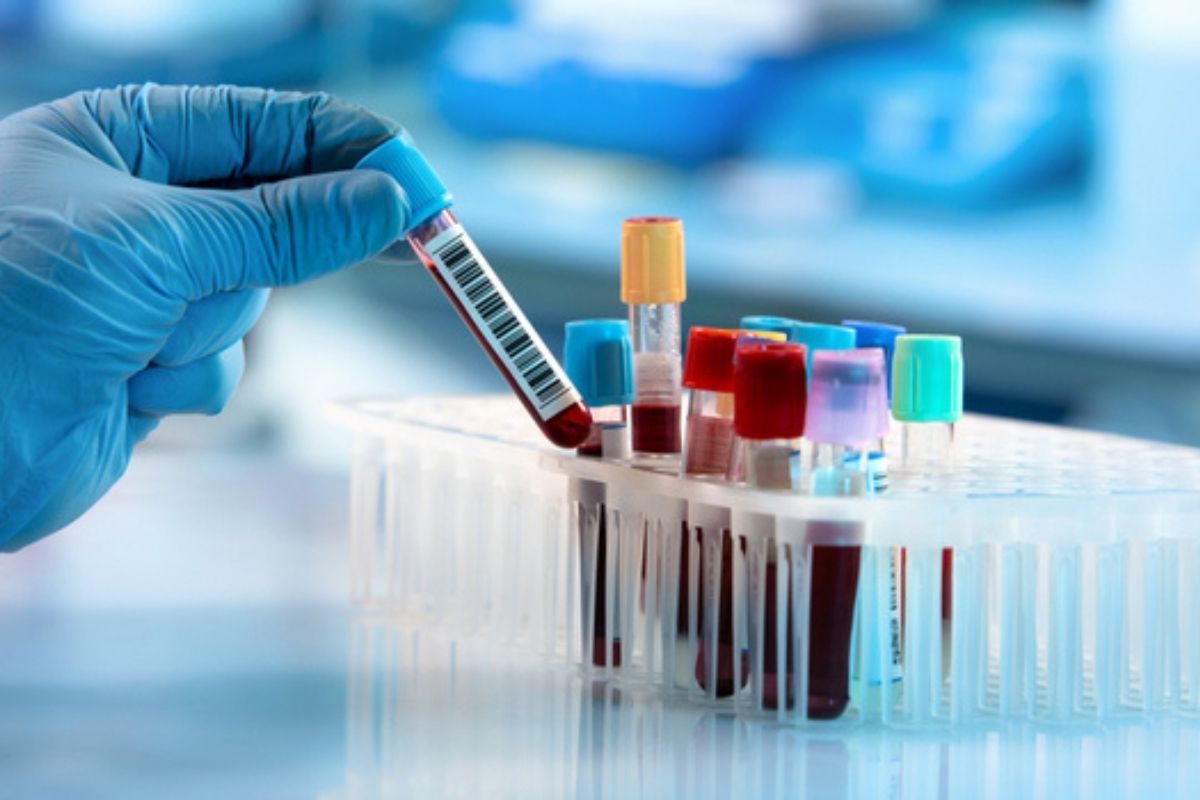
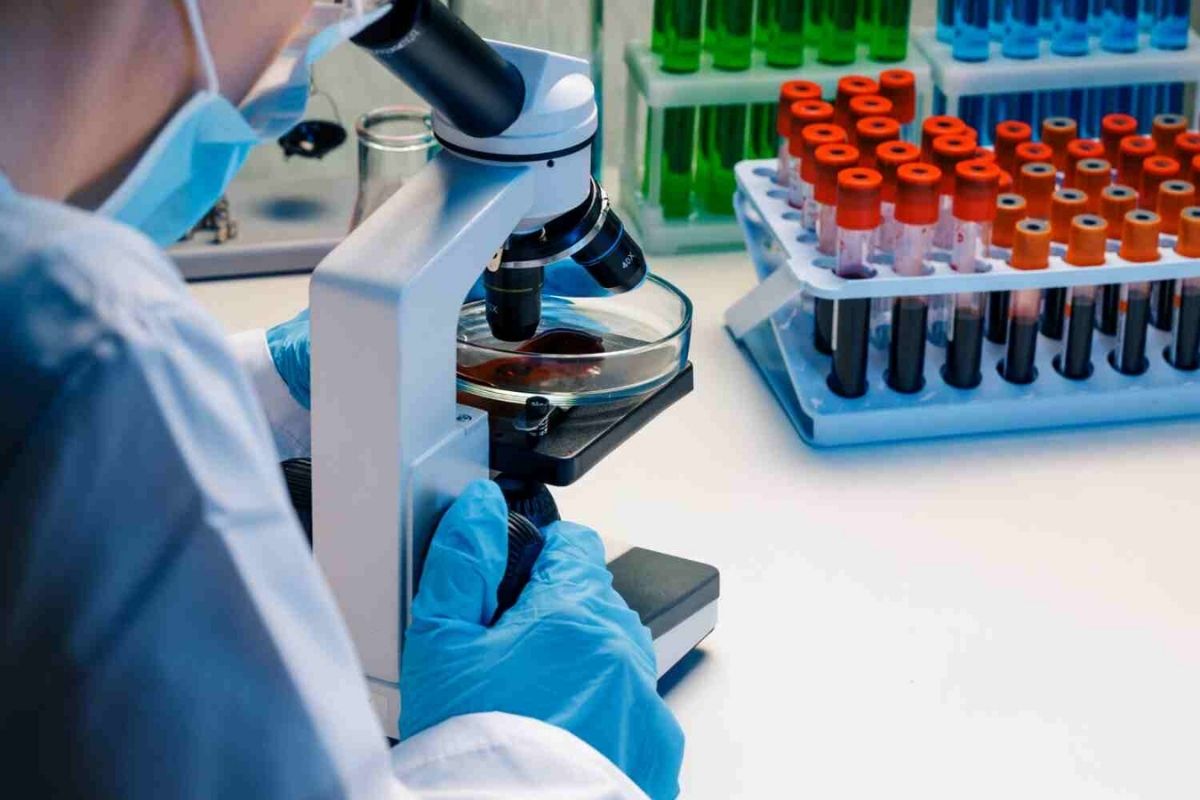
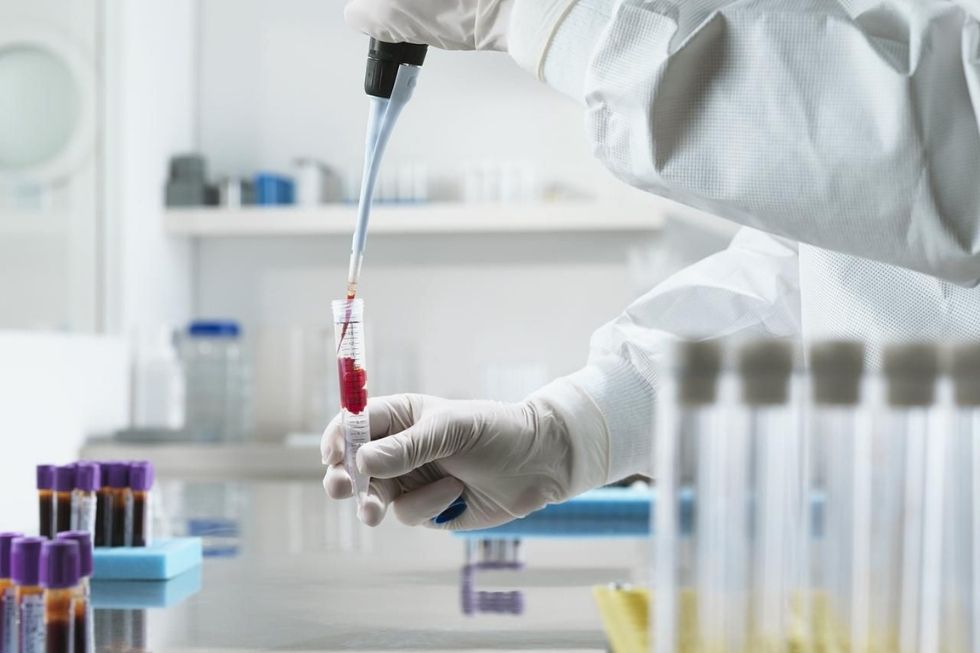
Pathology is a vital branch of medical science that focuses on the study and diagnosis of diseases by examining blood, body fluids, tissues, and organs. It plays a crucial role in healthcare by helping doctors understand the exact cause and nature of an illness, which allows for accurate diagnosis, effective treatment planning, and ongoing disease monitoring. Pathology investigations are commonly used for routine health checkups, early disease detection, confirmation of medical conditions, and evaluation of treatment effectiveness. Samples such as blood, urine, stool, sputum, and tissue biopsies are carefully collected and analyzed in a pathology laboratory using advanced equipment and standardized testing methods to ensure precise and reliable results.

Pathology services are broadly divided into areas such as clinical pathology, which includes blood tests, urine tests, and biochemical analysis; hematology, which focuses on blood-related disorders like anemia and infections; biochemistry, which evaluates organ function such as liver, kidney, thyroid, and blood sugar levels; microbiology, which detects infections caused by bacteria, viruses, or fungi; and histopathology and cytology, which involve microscopic examination of tissues and cells to diagnose conditions such as cancer, tumors, and inflammatory diseases. These tests help identify problems at an early stage, often before symptoms become severe, improving treatment outcomes and patient safety.
List Of Options

1
Complete blood count (CBC), hemoglobin, ESR, blood grouping, and blood disorder evaluation.
2
Blood sugar, liver function test (LFT), kidney function test (KFT), lipid profile, electrolytes, and enzymes.
3
Urine analysis, stool examination, semen analysis, and routine body fluid tests.
4
Detection of bacterial, viral, fungal, and parasitic infections through cultures and sensitivity tests.
5
Microscopic examination of tissue biopsies to diagnose tumors, cancers, and inflammatory diseases.
6
Thyroid profile, fertility hormones, cortisol, insulin, and other endocrine tests.

Service FAQ

Why are pathology tests important?

Pathology tests help in early disease detection, accurate diagnosis, monitoring treatment progress, and preventive health checkups.

What types of samples are used in pathology tests?

Common samples include blood, urine, stool, sputum, semen, and tissue or biopsy samples.

Are pathology tests painful?

Most tests are painless or cause minimal discomfort, such as a small needle prick during blood sample collection.

How should I prepare for pathology tests?

Preparation depends on the test. Some tests require fasting, while others do not. Your doctor or lab will inform you about specific instructions.

How long does it take to get pathology test results?

Report timing varies by test type. Routine tests may be available the same day, while specialized tests may take longer.

Are pathology test results accurate?

Yes, when performed in certified laboratories with quality control measures, pathology test results are highly accurate and reliable.

Is fasting required for all blood tests?

No, fasting is only required for specific tests like blood sugar or lipid profile.

Get best Health Checkup in Maa Ultrasound & Diagnostics
loader
Select the fields to be shown. Others will be hidden. Drag and drop to rearrange the order.
  • Image
  • SKU
  • Rating
  • Price
  • Stock
  • Availability
  • Add to cart
  • Description
  • Content
  • Weight
  • Dimensions
  • Additional information
Click outside to hide the comparison bar
Compare