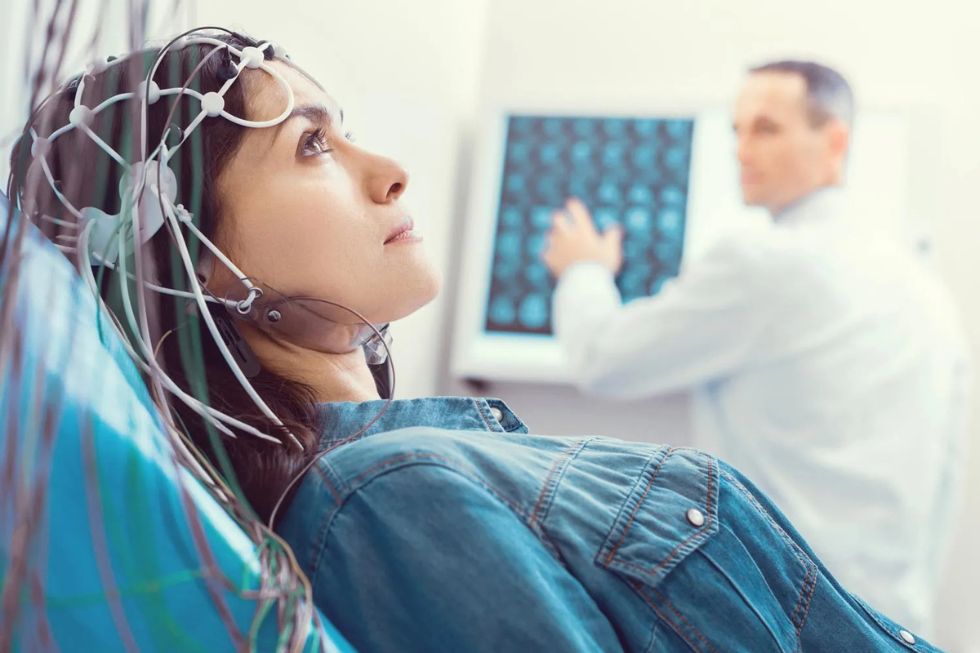
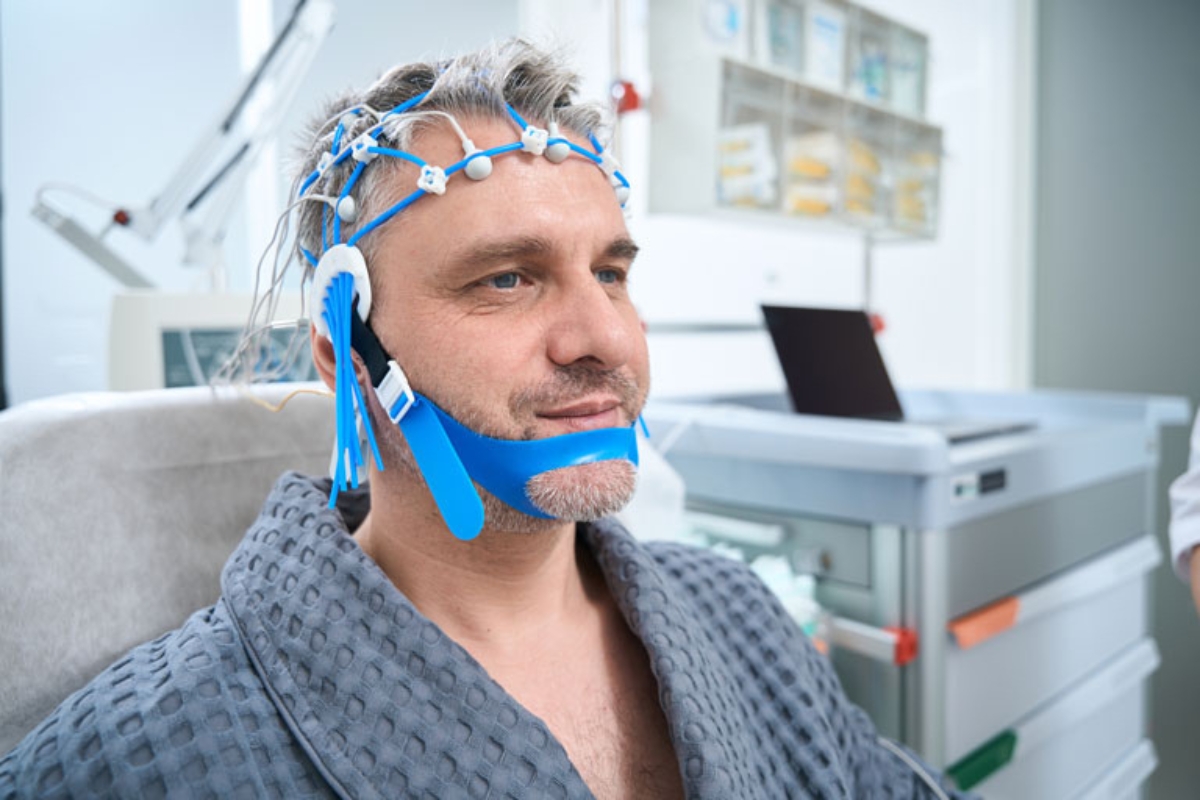
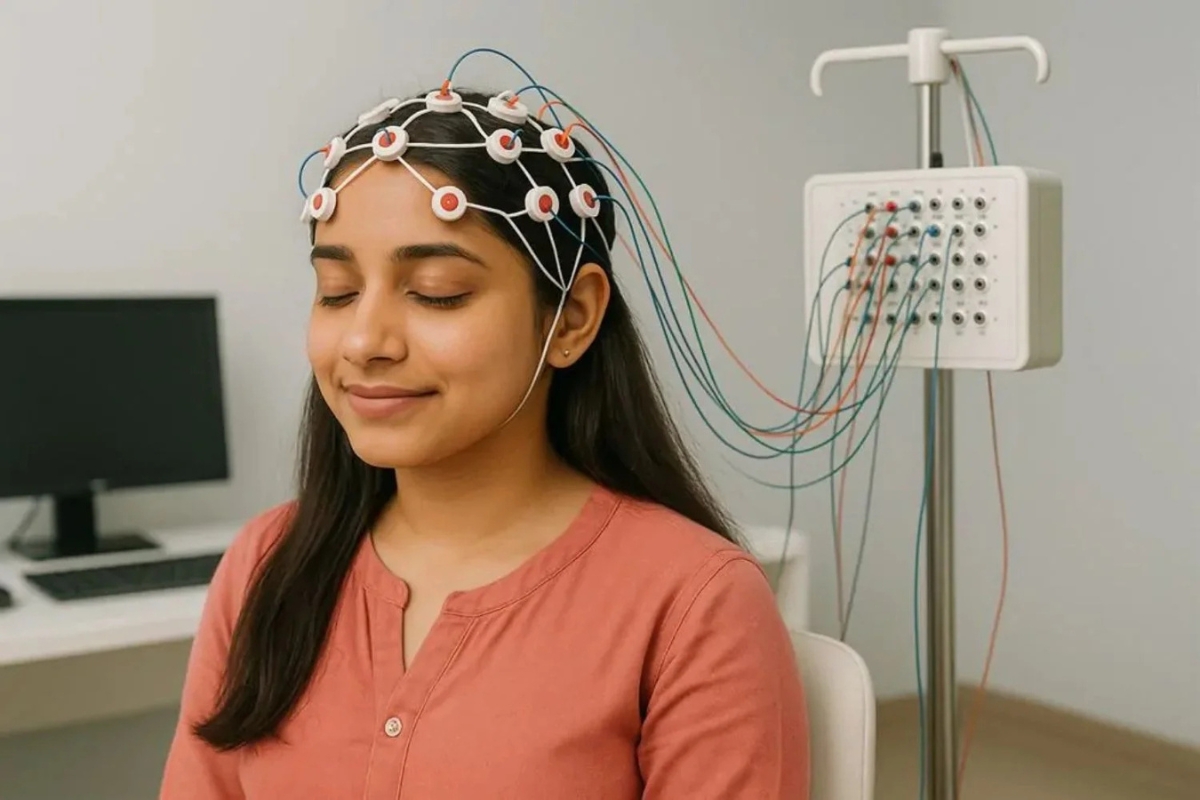
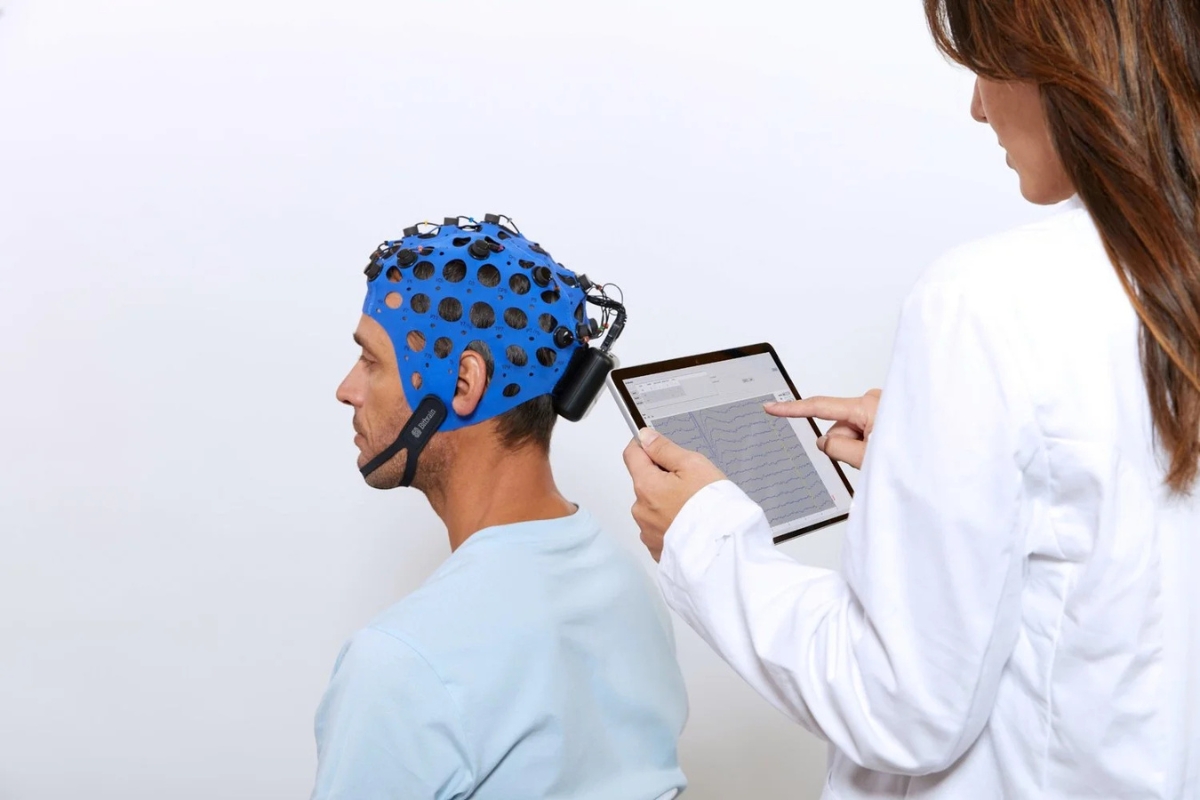
An EEG (Electroencephalogram) is one of the most important and widely used diagnostic tests in neurology, helping doctors evaluate the electrical activity of the brain quickly and accurately. Unlike imaging tests such as X-rays or CT scans that show structural details, EEG focuses on brain function by recording the tiny electrical signals produced by brain cells. It uses small metal discs called electrodes, which are placed on the scalp, to detect and record these signals without causing pain or discomfort. The test provides valuable information about brain activity patterns that cannot be seen from the outside.
During an EEG examination, the patient is asked to sit or lie comfortably while multiple electrodes are attached to the scalp using a special gel or paste. These electrodes are connected to a machine that records brain wave activity and displays it as wave-like patterns on a computer screen. The procedure is completely painless and does not send electricity into the brain; it only records natural electrical activity. The test usually takes about 20 to 60 minutes, although longer recordings may be required in certain cases. In some situations, the patient may be asked to breathe deeply, look at flashing lights, or even sleep to help detect abnormal brain activity.
EEG is commonly used to diagnose and monitor conditions such as epilepsy and seizure disorders, unexplained fainting spells, sleep disorders, brain infections, head injuries, encephalopathy, and coma. It also plays a crucial role in evaluating abnormal brain function, monitoring patients in intensive care units, and assessing brain activity before and after neurological treatments. In emergency settings, EEG can help identify ongoing seizures or assess brain function in critically ill patients.
List Of Options
1
Standard EEG recording lasting 20–40 minutes to evaluate brain electrical activity. Commonly used for epilepsy, seizures, fainting spells, and headaches.
2
EEG performed while the patient is asleep or sleep-deprived to detect abnormalities that may not appear during wakefulness. Useful in seizure disorders and sleep-related conditions.
3
Combines EEG recording with continuous video monitoring to correlate physical movements with brain wave activity. Highly effective for seizure diagnosis and classification.
4
Portable EEG monitoring performed over 24–72 hours while the patient continues normal daily activities. Helps detect intermittent or infrequent seizures.
5
Specialized EEG testing tailored for infants and children to evaluate developmental delays, epilepsy, or abnormal movements.
6
Long-term EEG monitoring for critically ill patients to assess ongoing seizure activity, coma, or brain function in intensive care settings.
ServiceFAQ
What is an EEG test?
An EEG (Electroencephalogram) is a non-invasive test that records the electrical activity of the brain using small electrodes placed on the scalp. It helps doctors evaluate brain function.
Why is an EEG performed?
EEG is commonly used to diagnose epilepsy, seizures, fainting spells, sleep disorders, head injuries, brain infections, and other neurological conditions.
Is the EEG procedure painful?
No, EEG is completely painless and safe. The electrodes only record brain activity and do not send electricity into the brain.
How long does an EEG test take?
A routine EEG usually takes about 20 to 60 minutes. Some types, such as sleep or continuous EEG, may take several hours or longer.
Do I need to prepare for an EEG?
Patients are usually advised to wash their hair before the test and avoid applying oil or hair products. In some cases, sleep deprivation may be recommended.
Are there any risks associated with EEG?
EEG is a very safe procedure. In rare cases, flashing lights or deep breathing during the test may trigger a seizure in patients with epilepsy, but medical staff are present to manage such situations.
When will I get my EEG results?
EEG results are usually reviewed by a neurologist, and the report is typically available within 24 to 48 hours.