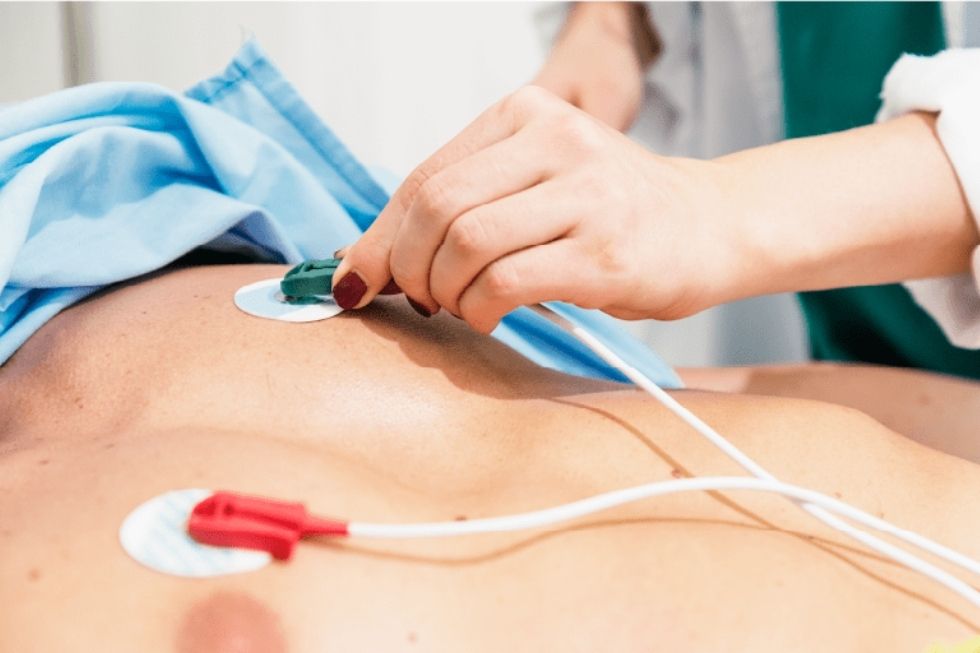
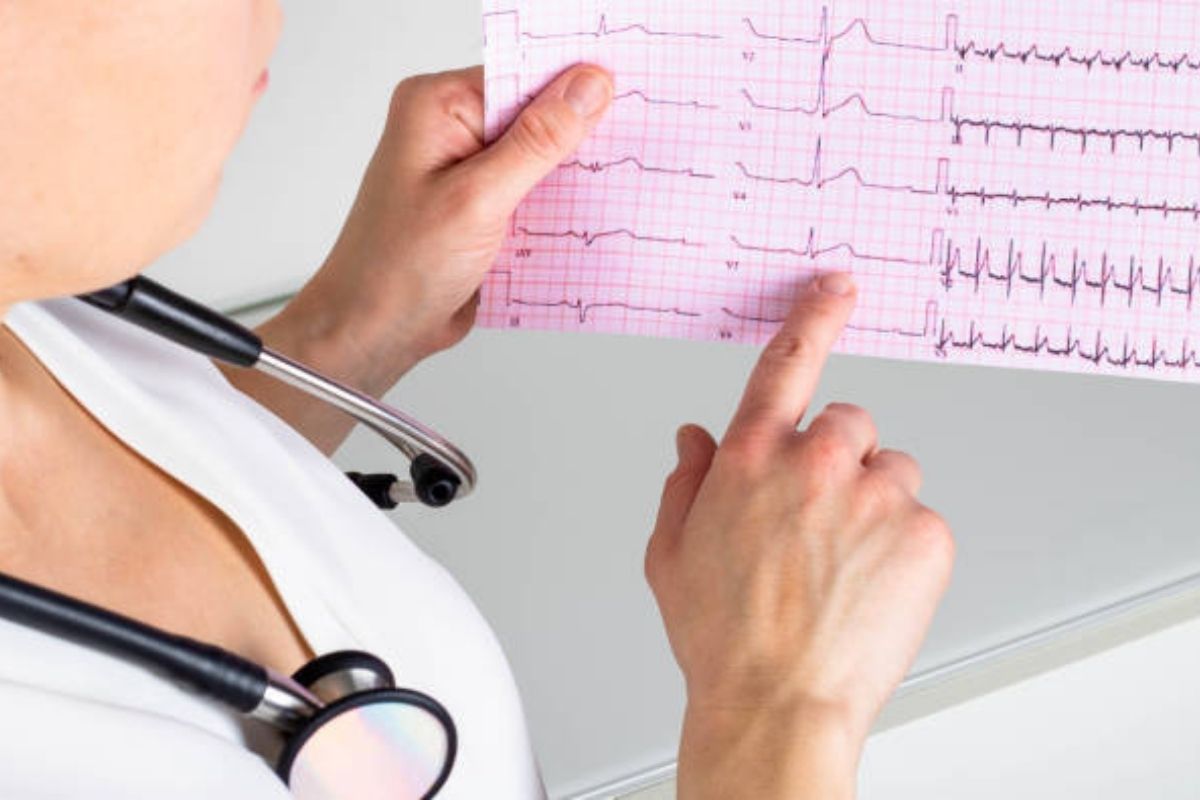
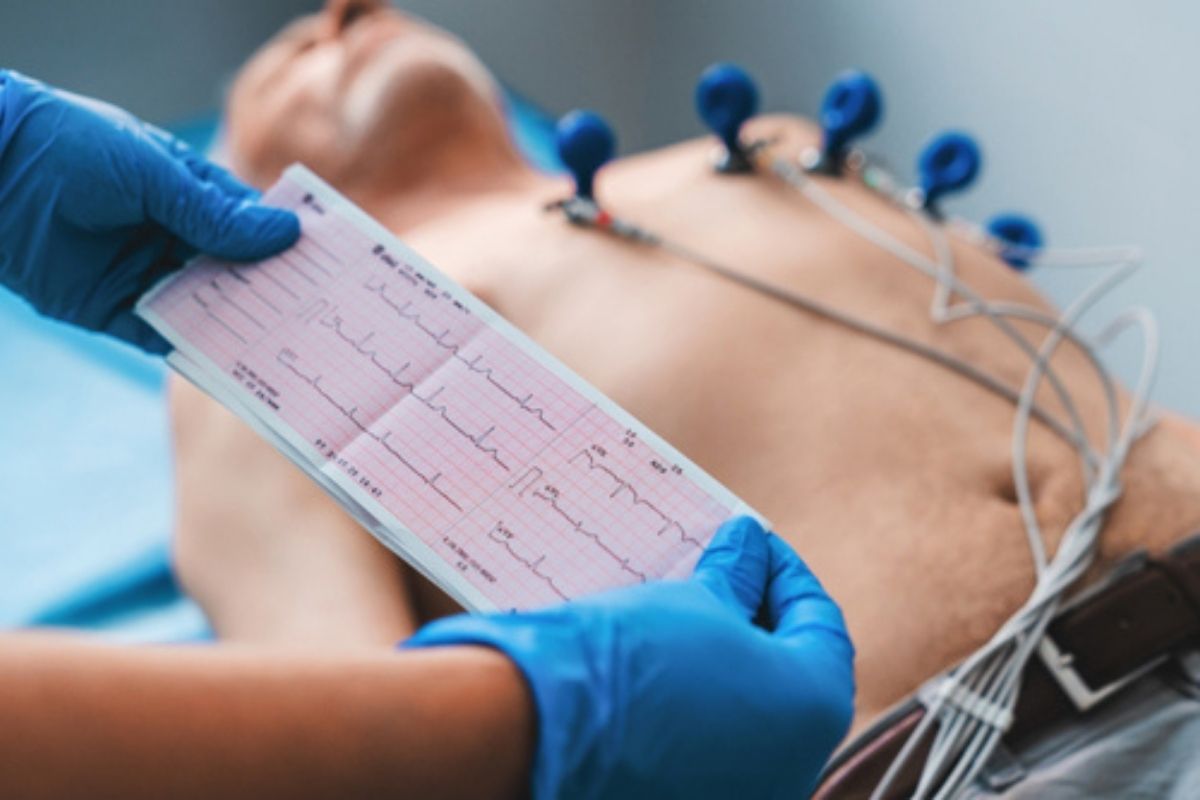
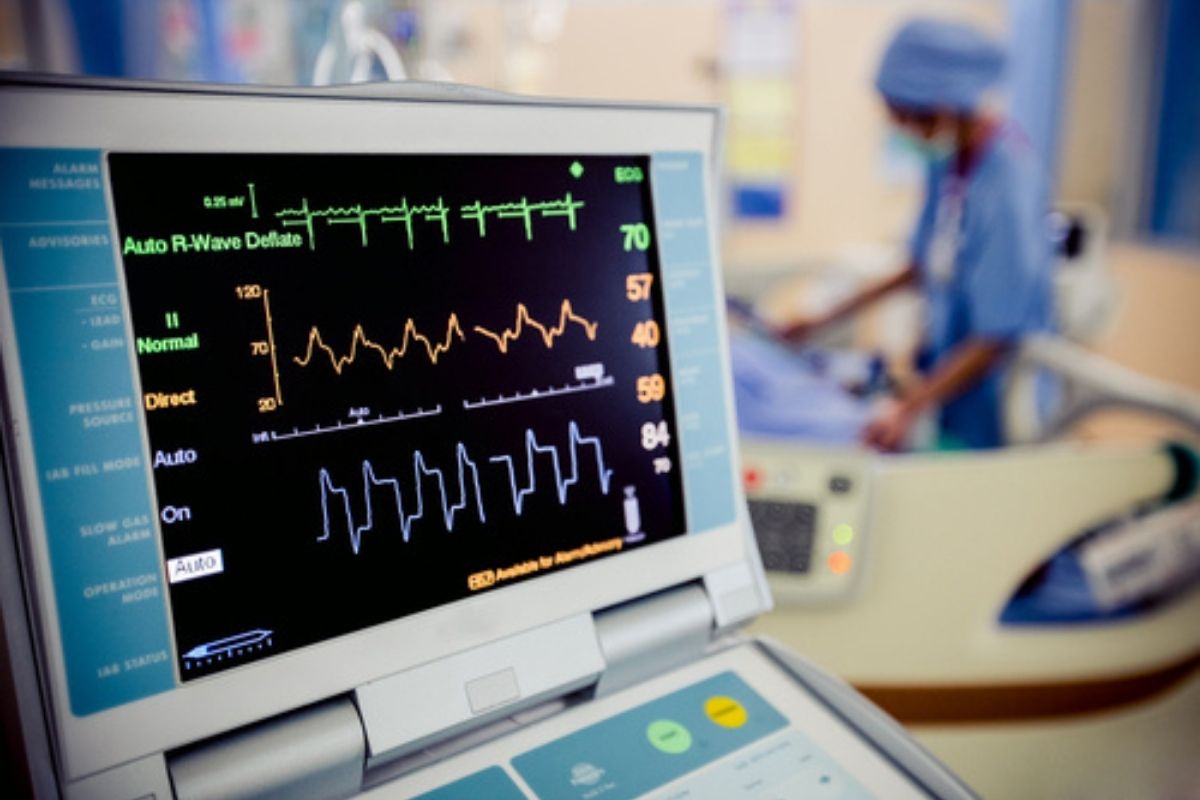
Electrocardiogram (ECG) is a simple, painless, and non-invasive diagnostic test used to record the electrical activity of the heart. It plays a vital role in assessing heart health by measuring the timing and strength of electrical signals as they travel through the heart muscle. These signals control the heartbeat, and any irregularity in their pattern can indicate potential heart-related conditions. During an ECG test, small adhesive electrodes are placed on the chest, arms, and legs, which are connected to an ECG machine that records the heart’s activity in the form of waves on paper or a digital screen. The procedure usually takes only a few minutes and does not involve any needles, injections, or radiation.
An ECG is commonly used to detect a wide range of cardiac conditions, including irregular heart rhythms (arrhythmias), heart attacks (both current and previous), reduced blood flow to the heart (ischemia), enlarged heart chambers, and electrolyte imbalances. It is also frequently performed as part of routine health checkups, pre-surgical evaluations, and emergency assessments when patients experience symptoms such as chest pain, shortness of breath, dizziness, palpitations, or fainting. Doctors may also recommend ECG monitoring to evaluate the effectiveness of heart medications or implanted devices such as pacemakers.
List Of Options
1
A standard ECG performed while the patient is lying still to record the heart’s electrical activity at rest.
2
ECG recorded during physical exercise to evaluate heart function under stress.
3
Continuous ECG recording for 24 to 48 hours to detect intermittent heart rhythm abnormalities.
4
Long-term monitoring where the patient activates the device during symptoms such as palpitations or dizziness.
5
Portable ECG monitoring that records heart activity while the patient continues normal daily activities.
6
Standard diagnostic ECG using 12 leads to provide a detailed view of heart electrical activity from different angles.
ServiceFAQ
Why is an ECG done?
An ECG is performed to detect heart problems such as irregular heartbeats, heart attacks, reduced blood flow to the heart, enlarged heart chambers, and electrolyte imbalances. It is also used during routine checkups, emergency evaluations, and before surgeries.
Is an ECG test painful?
No, an ECG is completely painless. Small adhesive electrodes are placed on the chest, arms, and legs to record heart signals, and no needles or injections are involved.
How long does an ECG take?
A standard resting ECG usually takes 5 to 10 minutes, including preparation time.
Is ECG safe?
Yes, ECG is very safe. It does not use radiation and has no known risks when performed properly.
What conditions can ECG detect?
ECG can detect arrhythmias, heart attacks (past or ongoing), ischemia, heart enlargement, conduction problems, and effects of certain medications on the heart.
What is the difference between ECG and Echo?
ECG records the electrical activity of the heart, while an echocardiogram (Echo) uses ultrasound to visualize the heart’s structure and blood flow. Both tests provide different but complementary information.
Who should get an ECG?
ECG is recommended for individuals with symptoms like chest pain, palpitations, shortness of breath, dizziness, or fainting, as well as for people with high blood pressure, diabetes, or a family history of heart disease.