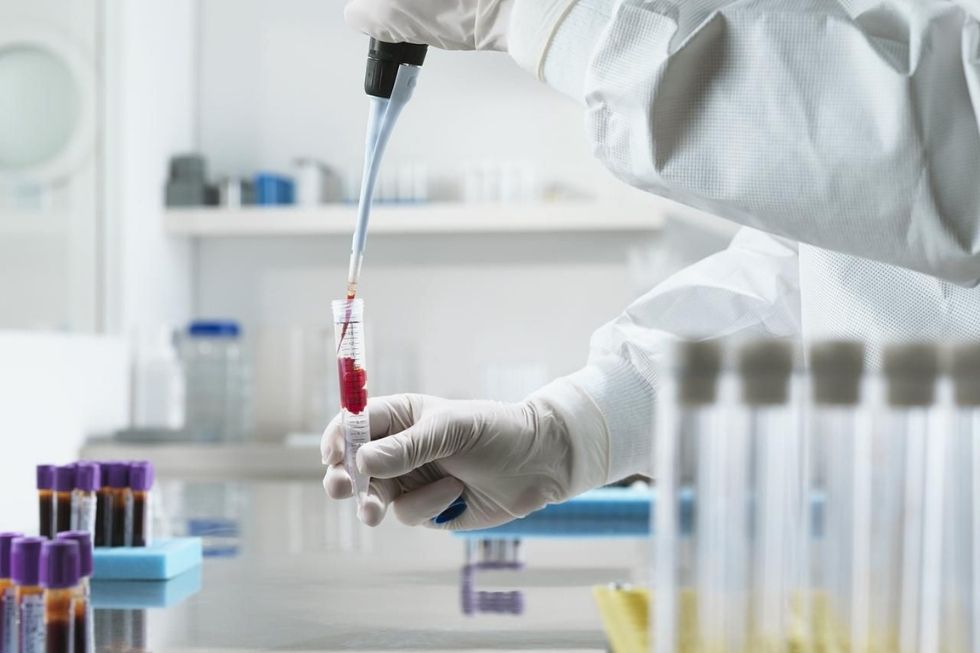
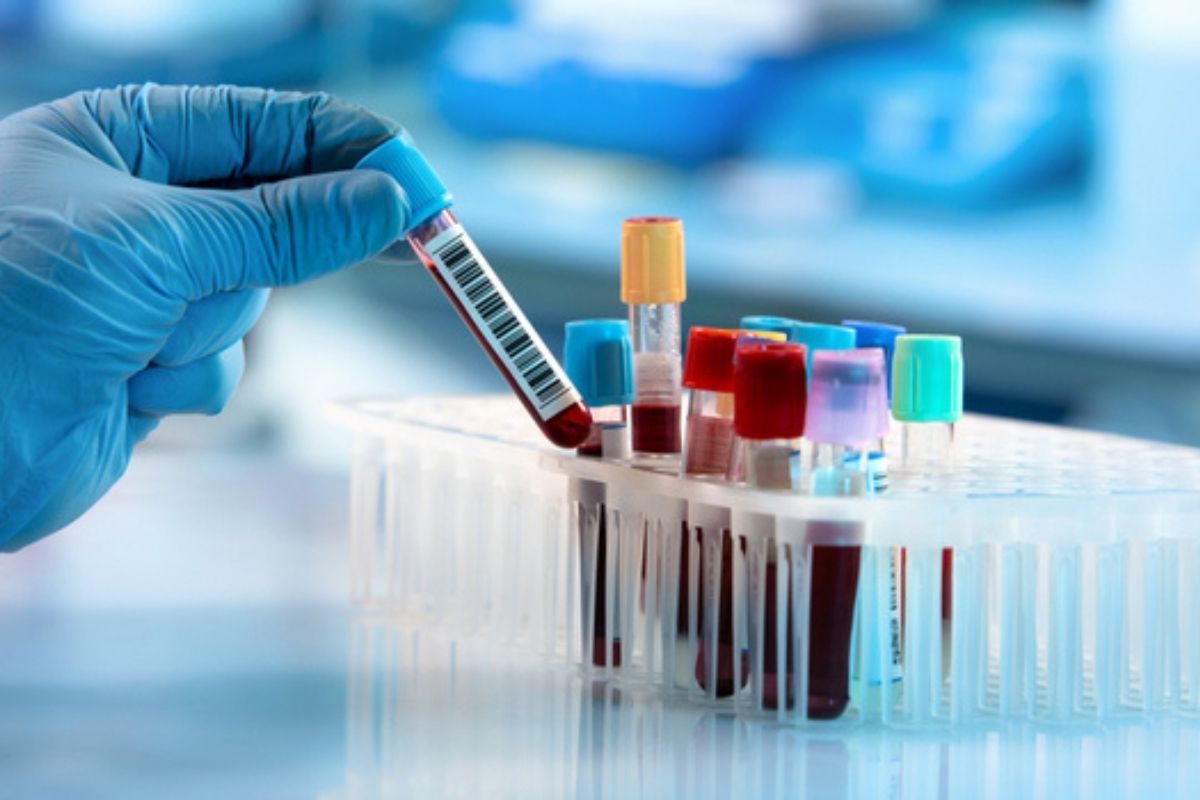
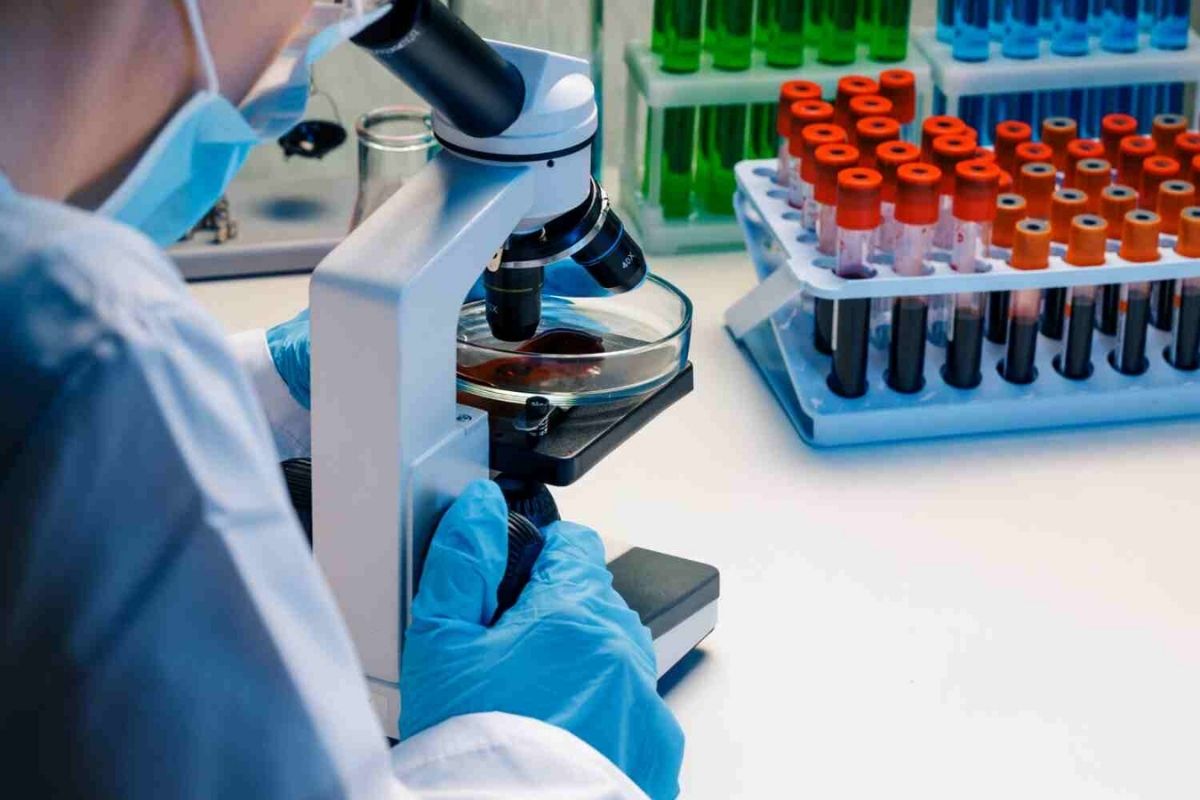
Pathology is a vital branch of medical science that focuses on the study and diagnosis of diseases by examining blood, body fluids, tissues, and organs. It plays a crucial role in healthcare by helping doctors understand the exact cause and nature of an illness, which allows for accurate diagnosis, effective treatment planning, and ongoing disease monitoring. Pathology investigations are commonly used for routine health checkups, early disease detection, confirmation of medical conditions, and evaluation of treatment effectiveness. Samples such as blood, urine, stool, sputum, and tissue biopsies are carefully collected and analyzed in a pathology laboratory using advanced equipment and standardized testing methods to ensure precise and reliable results.
Pathology services are broadly divided into areas such as clinical pathology, which includes blood tests, urine tests, and biochemical analysis; hematology, which focuses on blood-related disorders like anemia and infections; biochemistry, which evaluates organ function such as liver, kidney, thyroid, and blood sugar levels; microbiology, which detects infections caused by bacteria, viruses, or fungi; and histopathology and cytology, which involve microscopic examination of tissues and cells to diagnose conditions such as cancer, tumors, and inflammatory diseases. These tests help identify problems at an early stage, often before symptoms become severe, improving treatment outcomes and patient safety.