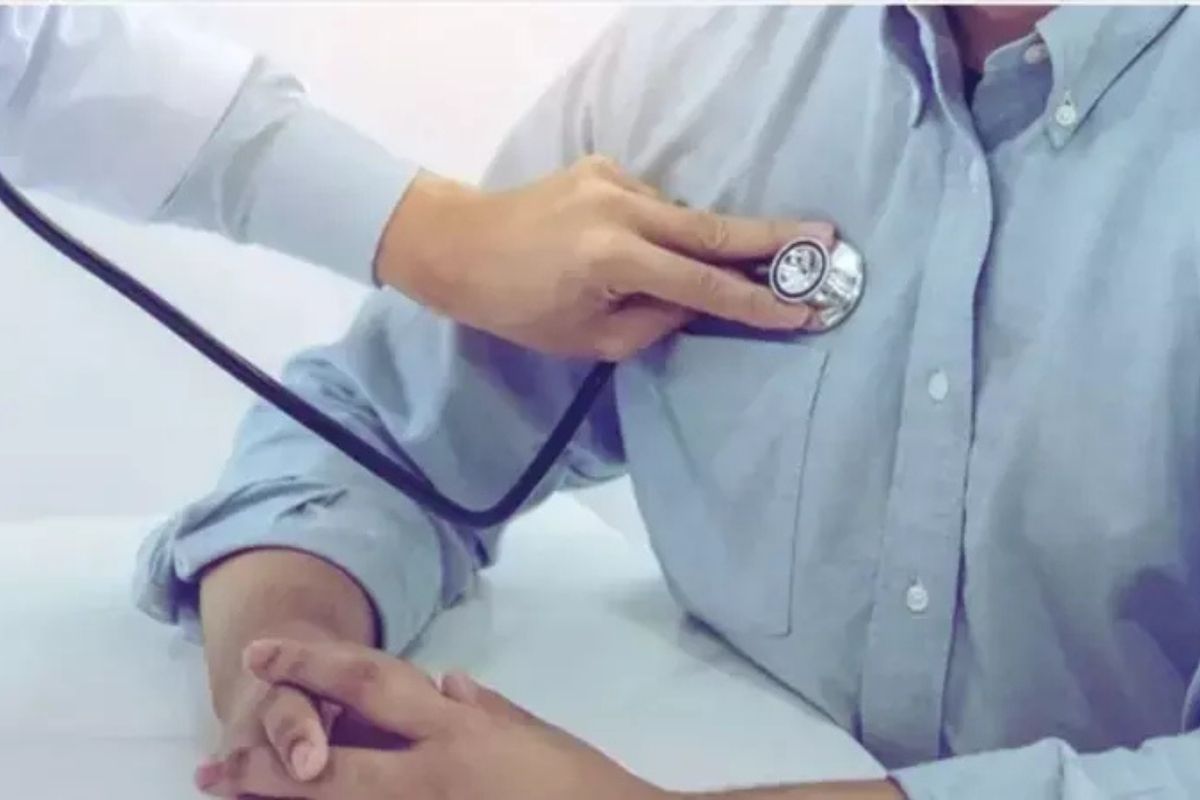
Outpatient Department (OPD) is a vital component of any hospital or healthcare facility, providing medical consultations, diagnosis, treatment, and follow-up care to patients who do not require hospital admission. OPD services are designed to offer accessible, timely, and cost-effective healthcare for a wide range of medical conditions. Patients visiting the OPD can consult specialist doctors, undergo basic diagnostic tests, receive prescriptions, and get expert medical advice, all within a single visit. OPDs play a crucial role in early disease detection, routine health monitoring, and ongoing management of chronic conditions such as diabetes, hypertension, asthma, and arthritis.
OPD services cover multiple medical specialties, including general medicine, pediatrics, gynecology, orthopedics, cardiology, dermatology, ENT, ophthalmology, neurology, and many more. Each specialty OPD is staffed by qualified doctors and trained healthcare professionals who assess the patient’s symptoms, review medical history, perform physical examinations, and recommend investigations or treatments as needed. OPDs also serve as the primary point for referrals to diagnostic services such as laboratory tests, X-rays, ECGs, ultrasound, and advanced imaging, ensuring a coordinated approach to patient care.
List Of Options
1
Consultation for common illnesses such as fever, infections, diabetes, hypertension, and general health problems.
2
Evaluation of surgical conditions, wound care, hernia, gallbladder issues, and post-surgical follow-ups.
3
Treatment for bone, joint, muscle problems, fractures, arthritis, and sports injuries.
4
Medical care for infants, children, and adolescents including growth monitoring and vaccinations.
5
Heart-related consultations for chest pain, high blood pressure, heart disease, and ECG review.
6
Diagnosis and management of brain, nerve, and spinal disorders such as stroke, epilepsy, and migraines.
ServiceFAQ
Who should visit the OPD?
Patients with general health issues, chronic conditions, follow-up needs, or those requiring specialist consultation should visit the OPD.
Do I need an appointment for OPD consultation?
Some hospitals accept walk-in patients, while others encourage prior appointments to reduce waiting time. It is best to check with the hospital.
What services are available in OPD?
OPD services include doctor consultation, prescription of medicines, basic examinations, referrals for lab tests or imaging, and follow-up care.
How long does an OPD visit take?
The duration varies depending on the specialty, patient load, and investigations required. On average, it may take 15–30 minutes for consultation.
Is OPD treatment expensive?
OPD treatment is generally affordable compared to inpatient care, as it does not involve hospital admission or room charges.
Can I get medicines from OPD?
Doctors provide prescriptions during OPD visits. Medicines may be purchased from the hospital pharmacy or outside, as advised.
Is OPD available for follow-up visits?
Yes, OPD is commonly used for follow-up consultations to monitor treatment progress and adjust medications.